
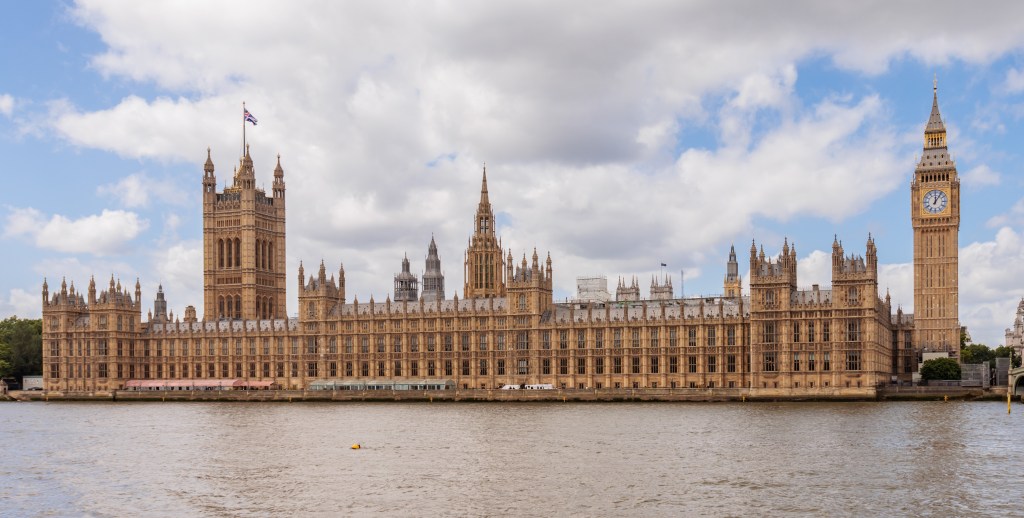
“The British Constitution presumes more boldly than any other the good sense and the good faith of those who work it” – William Gladstone, 1879
For hundreds of years, the ‘good faith’ and ‘good sense’ that Gladstone describes have been sufficient in preventing the excessive infringement of civil liberties. Nonetheless, good faith and good sense are an insufficient basis for a democratic government, particularly when our current politicians are anything but faithful or sensible.
Recent time have shown the government’s woeful disregard of freedoms that in any other developed country would be taken for granted. Dominic Raab’s attempts to scrap judicial review, Priti Patel’s anti-protest laws and Suella Braverman’s continuous attacks on trans people’s right to live their lives peacefully all demonstrate that the government is willing and capable to take away our liberties and dismantle the institutions that put a check on their power.
This is why Britain needs a codified constitution, enshrining rights in law and granting the judiciary power to strike down violative laws. Because freedom without judicial and constitutional backing is a fleeting illusion, entirely subject to the whims of the government.
Critics might argue this breaks from tradition; Britain has never had a codified constitution. Whilst I can certainly empathise with wanting to maintain our traditions, a tradition that serves no purpose, and in fact hinders the important purpose of protecting rights is ultimately useless and should be discarded.
The British political system has changed countless times over the course of its existence; the increasing irrelevance of the monarchy in political matters, the weakening of the House of Lords, the devolution of certain powers to the Home Nations are all examples of this. A codified constitution would just be another step in Britain’s long history of political change, and a very positive step at that.
Some might claim a codified constitution is too inflexible, citing the US’ struggles with the Second Amendment. However, that amendment is the one issue with the US Constitution, and a British Constitution would obviously not include such a measure. Also, what a codified constitution lacks in flexibility, it makes up for in stability, and it’d be a checkpoint for social progress, preventing the government from backsliding too far.
Ultimately a codified constitution is essential for safeguarding our liberties, and at a time when such liberties are evermore at risk of being breached, the need for it is more salient than ever.
The image used in this article is by Terry Ott, and licensed under the CC BY-SA 2.0 DEED licence.



 Liberal Lens
Leave a comment