
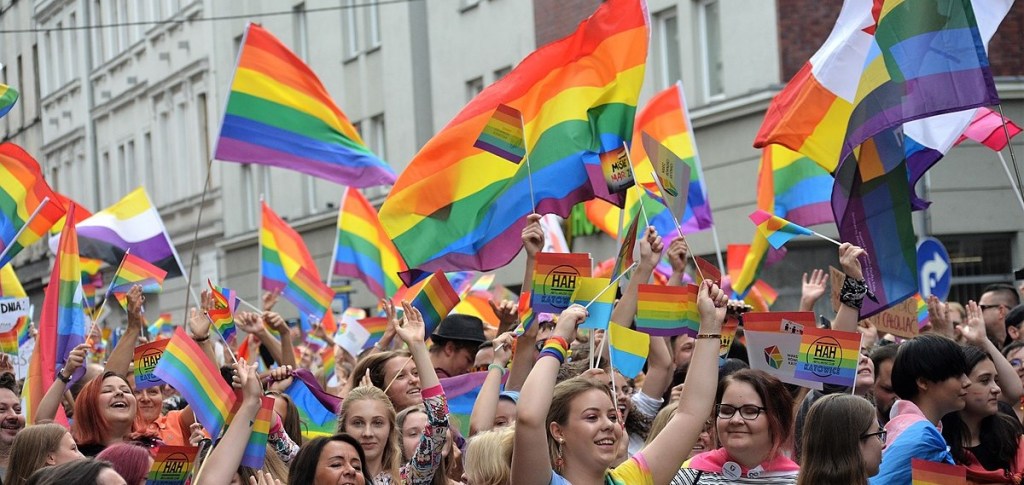
LGBT rights in the 2020s
The time-honoured tradition of throwing minorities under the bus is alive and well within the Tory party, as made evident by the recent barrage of attacks made against LGBT people by senior party figures.
In his conference speech earlier this month, Prime Minister Rishi Sunak stated, “a man is a man, and a woman is a woman”. Of course, this statement holds no real argument; it’s a tautology, but that was not its purpose. It’s just another dog whistle designed to whip up the Tory right into a fervour against trans people, a group that has seen a 13x increase in hate crime against them in the last ten years.
Similarly, Sunak’s disgraced predecessor Liz Truss gave a speech a few months earlier, complaining about ‘woke-culture’ and celebrating her cancellation of the Gender Recognition Act reforms. This speech was delivered at the Margaret Thatcher Freedom Lecture, ironic given that Truss’ ideas for LGBT people involve anything but ‘freedom’.

Attacks by the government and a worrying increase in hate crime aren’t the only thing affecting LGBT people, and specifically trans people. The government’s continued failure to reform trans healthcare has had devastating consequences, including fatalities.
The Westminster government opposed Holyrood’s attempts to make the Gender Recognition Certificate (GRC) available through Self-ID., and trans healthcare facilities continue to be catastrophically underfunded. According to the Cumbria, Northumberland, Tyne and Wear NHS trust, the person who has been waiting for their first assessment the longest has waited for over five years as of August this year.
Right-wing Conservatives have also significantly pushed back against the planned conversion therapy ban, with more than forty MPs lobbying Sunak to drop the plans from the next King’s Speech.
Clearly, the government’s actions indicate a severe and likely purposeful failure regarding LGBT people. However, as history has shown, the LGBT cause has been continuously victorious, and so despite the roadblocks, there is still a lot of hope for the future. In this article I will discuss the history of LGBT rights, as well as what needs changing to improve things further.
A brief history of LGBT rights
The first mention of homosexuality appeared in the 1533 Buggery Act, which prescribed the death penalty for male-on-male sexual acts. In 1861, this punishment was reduced to a minimum prison sentence of ten years. The Criminal Law Amendment Act of 1885 criminalized male same-sex acts, even if no witness was present. This law ensnared the beloved poet Oscar Wilde, resulting in his imprisonment.
After WW2, significant progress occurred for LGBT people, albeit with setbacks. Between 1946 and 1949, endocrinologist Michael Dillon underwent the first gender-affirming procedure in Britain. He had an artificial penis created and underwent top surgery, both of which were performed by the surgeon Sir Harold Gillies. Both Dillon and Gillies later conducted various sex reassignment surgeries for Roberta Cowell, a transgender woman and racing driver. In 1951, Cowell received vaginoplasty, marking the first time this procedure was performed in Britain.
However, during this time, the government initiated a crackdown on high-profile gay individuals, including the famous cryptographer Alan Turing, who had broken the enigma code, saving thousands of lives during WW2.

During the 1960s, public opinion on LGBT people began to shift, and Labour Prime Minister Harold Wilson decriminalized same-sex relationships in 1967. There was a rollback of LGBT rights in the 1980s under Margaret Thatcher, who implemented the notorious Section 28, effectively banning LGBT sex education though this was overturned in 2003. In 1994, the age of consent for same-sex couples was lowered to 18, two years above the age of consent for opposite-sex couples.
Under Prime Ministers Blair, Brown, and Cameron, there was a significant push for LGBT rights. In 2000, gay people were allowed to serve in the military. The age of consent was brought in line with the rest of the country. The Gender Recognition Act of 2004 was passed, allowing trans people to legally change their gender. The Civil Partnership Act of 2004 legalized same-sex unions. The Equality Act of 2010 made gender and sexuality (among other things) legally protected characteristics, and finally, in 2013, same-sex marriage was legalized.
Despite numerous attempts by conservatives to obstruct these changes, progressives have always been successful, granting LGBT people liberties and control over their own bodies. Nonetheless, many changes are still needed, especially concerning the Gender Recognition Act, trans healthcare, and conversion therapy.
What needs changing and why?
Conversion Therapy
The most obvious and non-controversial change that needs making is the matter of conversion therapy. Whilst the more extreme forms of conversion therapy like electric shock ‘treatment’ have been banned by other laws for some time, non-violent conversion therapy is still legal, and often used on young LGBT people who often don’t have a choice in the matter.
Ultimately, conversion therapy is nothing more than a pseudoscience, designed to force people to conform to outdated notions of gender and sexuality. It lacks any scientific basis, and a government report from 2021 concluded that, “There is no robust evidence that conversion therapy can change sexual orientation or gender identity, and that conversion therapy is frequently associated with harm.”
Obviously any bill banning conversion therapy would need to be worded carefully, so as not to accidentally ban therapy for people only trying to make sense of their sexual identity, but this shouldn’t be too difficult and such a bill would go a long way to bolstering the rights of LGBT people.
Trans Healthcare
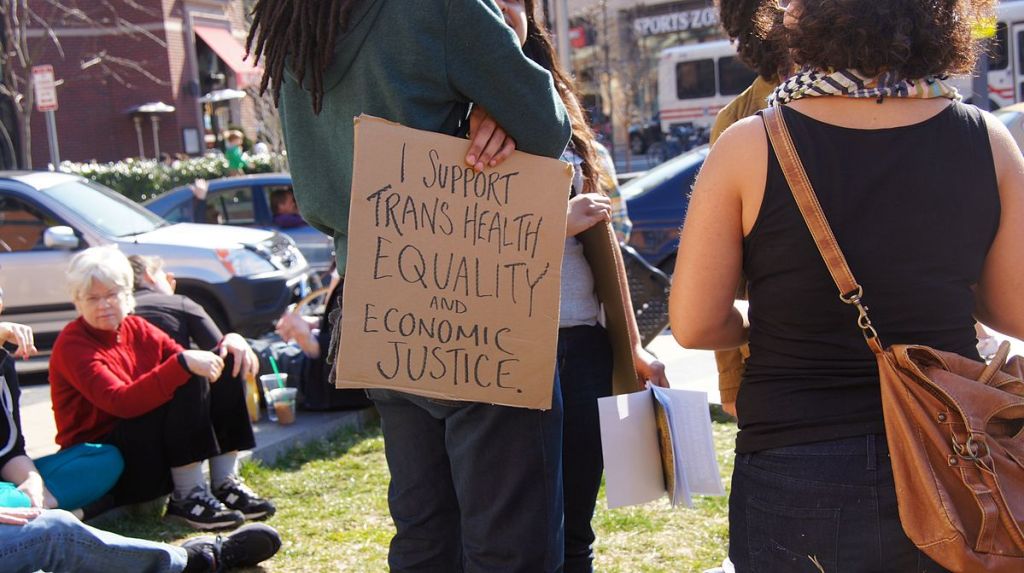
As stated earlier, the current status of trans healthcare in the UK is, to put it lightly, lacklustre. Waiting lists just to get a first consultation appointment for top surgery is five years minimum, whilst similar breast reduction surgeries for cisgender women are done in half that time. A lot of the delays in trans related healthcare aren’t just caused by underfunding (though they certainly are as well) but also a failure of medical professionals to treat trans patients seriously.
In her brilliant video ‘I Emailed My Doctor 133 Times: The Crisis In the British Healthcare System’, Philosopher and Playwright Abigail Thorn recounted her own personal experiences with trying to get gender affirming healthcare, healthcare that according to NHS guidelines, she has a right to. She talks about how her GP failed to refer her to the Gender Identity Clinic, despite it being their job to, instead making up rules about needing to be living as a trans person for a certain amount of time, and then conveniently ‘forgetting’ to make the referral when Abigail met her made up requirements.
These issues with trans healthcare in Britain have devastating consequences on the lives of trans people. The lack of care and constant hate that many trans people endure is what accounts for the depressingly high suicide rates amongst trans people. It has also been demonstrated that proper support from friends and family, as well as the proper healthcare, sees a massive reduction in suicide rates and depression.
As such, the NHS needs serious reforms when it comes to trans healthcare, as well as a significant increase in funding to combat the ridiculous waiting times. Doctors should also be held more accountable when they fail to treat trans people in the proper way.
However, there is one solution that could solve the NHS’ problems, as well as give trans people more control and freedom in their life, and that’s reforming the Gender Recognition Act.
The Gender Recognition Act
When Parliament passed the GRA in 2004, it marked a tremendous step forward for trans rights, and many LGBT charities lauded then Prime Minister Tony Blair for it. The bill legally recognized the existence of trans people and provided them a path to live the life they want.
However, there are several flaws in the bill that have only become more obvious over time. Firstly, the bill does not give non-binary people the option of choosing neither male nor female on their Gender Recognition Certificate, forcing them into a category that doesn’t fit them. Secondly, the ability to acquire a Gender Recognition Certificate (which is what allows you to change the gender marker on your birth certificate) relies on an ill-defined diagnosis of gender dysphoria.
In short, gender dysphoria as a diagnosis is less than adequate as each trans person’s experiences with being trans differ vastly and many of the questions that are asked in order to determine gender dysphoria are based on faulty data that have propagated harmful stereotypes about what it is to be trans. A lot of these questions relate to extremely personal and possibly humiliating information that have little to do with being trans. The details of this are not something that feels right to discuss here, so I recommend watching Abigail Thorn’s video that I mentioned previously, as she handles the topic with a level of thoroughness and care that I wouldn’t be able to.
The easiest solution to this issue is to follow the lead of other countries like Finland and Spain and implement an informed consent system that allows for self-identification, including identifying as non-binary. Not only would this bypass the need for a gender dysphoria diagnosis, it’d reduce waiting times, reduce diagnosis costs and allow for a great level of bodily autonomy and individualism.
Of course, conservatives will claim that this will lead to a massive increase in the number of people changing their gender identity, and that many trans people detransition, so it isn’t worth it. Firstly, nobody but the individual has a right to make decisions regarding their own body, anybody who claims to be pro-liberty yet opposes this is a hypocrite. You might not like it, but that doesn’t give you a right to make decisions that override the wish of another person. Secondly, detransition rates are extremely low, and the reason for detransitioning when it does occur is often due to societal pressure rather than not being trans. The 2015 US transgender survey found that only 8% who had transitioned later detransitioned, with 31% citing discrimination for the reason, and others citing a mix of familial, parental and spousal pressure. Clearly, informed self-ID is the path forward, and it has been in success in every country that has implemented it.
Final Thoughts
For me, the issues I’ve discussed today are a matter of liberty. It’s about the liberty to live how we want without undue interference from the government and other individuals. The actions of the UK Conservative Party in recent years have shown that they do not care about such liberties, and they want to eliminate LGBT identity because it doesn’t conform to their dogmatic view of the world.
The status quo needs to change here, and while I don’t expect Keir Starmer to run his election campaign on LGBT rights, I do hope he quietly passes legislation once elected, as Tony Blair did in the early 2000s. I won’t be holding my breath, though, as Starmer’s recent overtures to transphobic MPs like Rosie Duffield show that he might be just as bad as the Tories on this topic.
Regardless, I remain confident that we will eventually get these changes because conservatives have continuously failed to prevent freedom for LGBT people for the last hundred years, and I don’t expect that to change.
In order of appearance, the images used in this article were by the following people and used under the following licences:
- Silar, Creative Commons Attribution-Share Alike 4.0 International
- The UK Government, Open Government Licence v3.0
- Unknown, Public Domain
- Ted Eytan, Creative Commons Attribution-Share Alike 2.0 Generic




 Liberal Lens
Leave a comment